
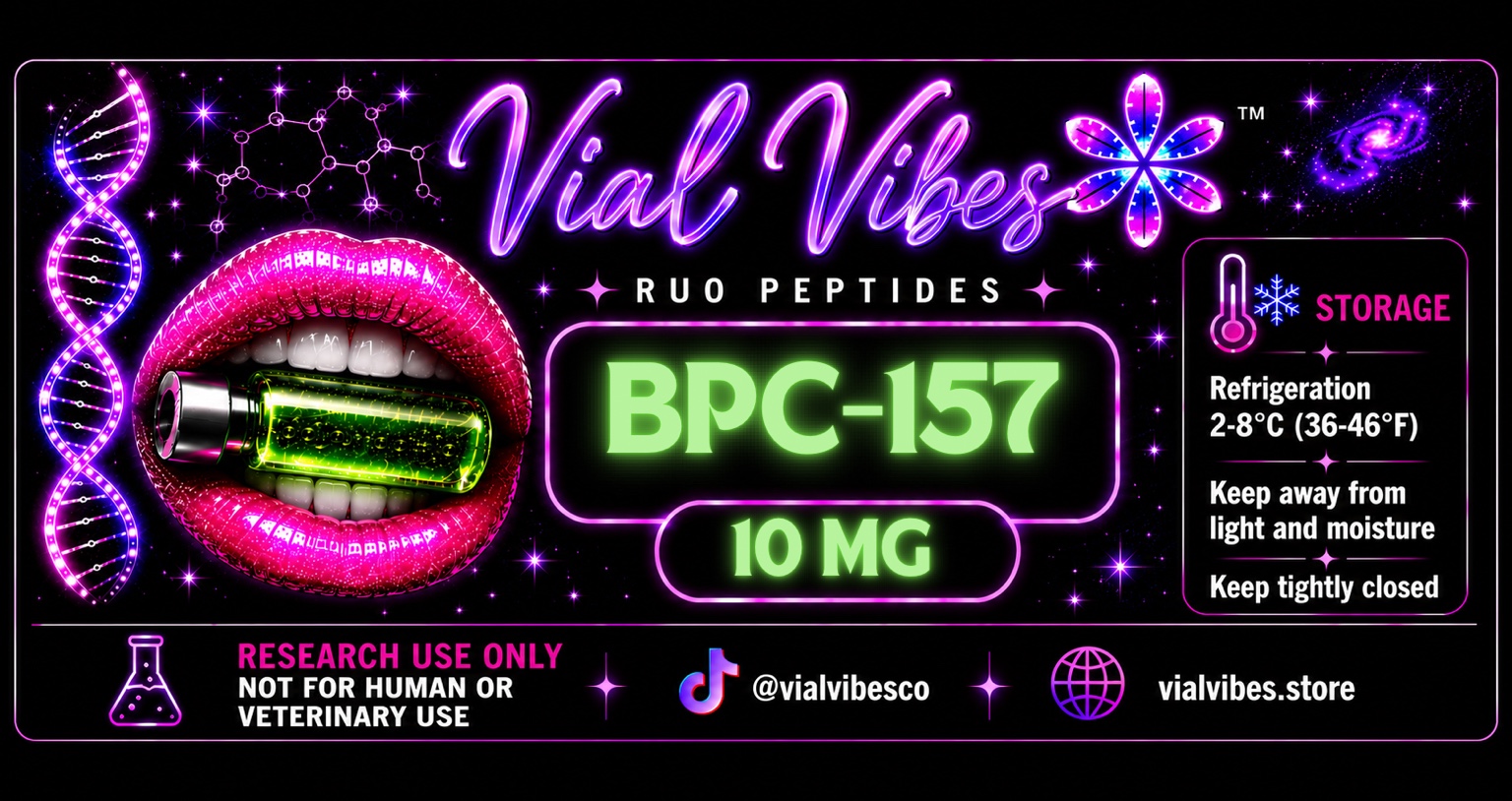
Description
Research Snapshot
What it is:
BPC-157 is a synthetic research peptide derived from a naturally occurring gastric protein. Researchers investigate BPC-157 for its role in peptide signaling, cellular communication, and tissue physiology to better understand normal biological processes.
Researchers study it for:
- Cellular signaling
- Tissue physiology
- Peptide biology
- Molecular biology
- Cell biology
Target pathway(s):
Peptide Signaling • Cellular Communication • Tissue Physiology
What Is BPC-157?
BPC-157 is a synthetic peptide commonly used in laboratory research to investigate peptide signaling and the molecular mechanisms involved in normal cellular function. Derived from a naturally occurring protein found in gastric tissue, BPC-157 has become a widely studied tool in peptide and molecular biology research.
Researchers utilize BPC-157 to explore cellular communication, tissue physiology, and the complex interactions that occur within normal biological systems. Through controlled laboratory investigation, ongoing research continues to expand scientific understanding of peptide-receptor interactions and cellular signaling pathways.
Research Spotlight
Current scientific research investigates BPC-157 in relation to:
- Peptide signaling
- Cellular communication
- Tissue physiology
- Molecular biology
- Cell biology
- Extracellular matrix biology
- Receptor biology
- Biomolecular research
Through controlled laboratory investigation, BPC-157 continues to provide valuable insight into peptide biology, cellular communication, and tissue physiology. Ongoing scientific studies contribute to a growing understanding of the molecular pathways that regulate normal cellular function and coordinated biological processes.
Reviews
There are no reviews yet.